Outcome First: Why You Should Challenge a Process Before Automating It
Before improving or automating a workflow, understand the outcome you're trying to achieve—and question whether the process should exist in its current form.
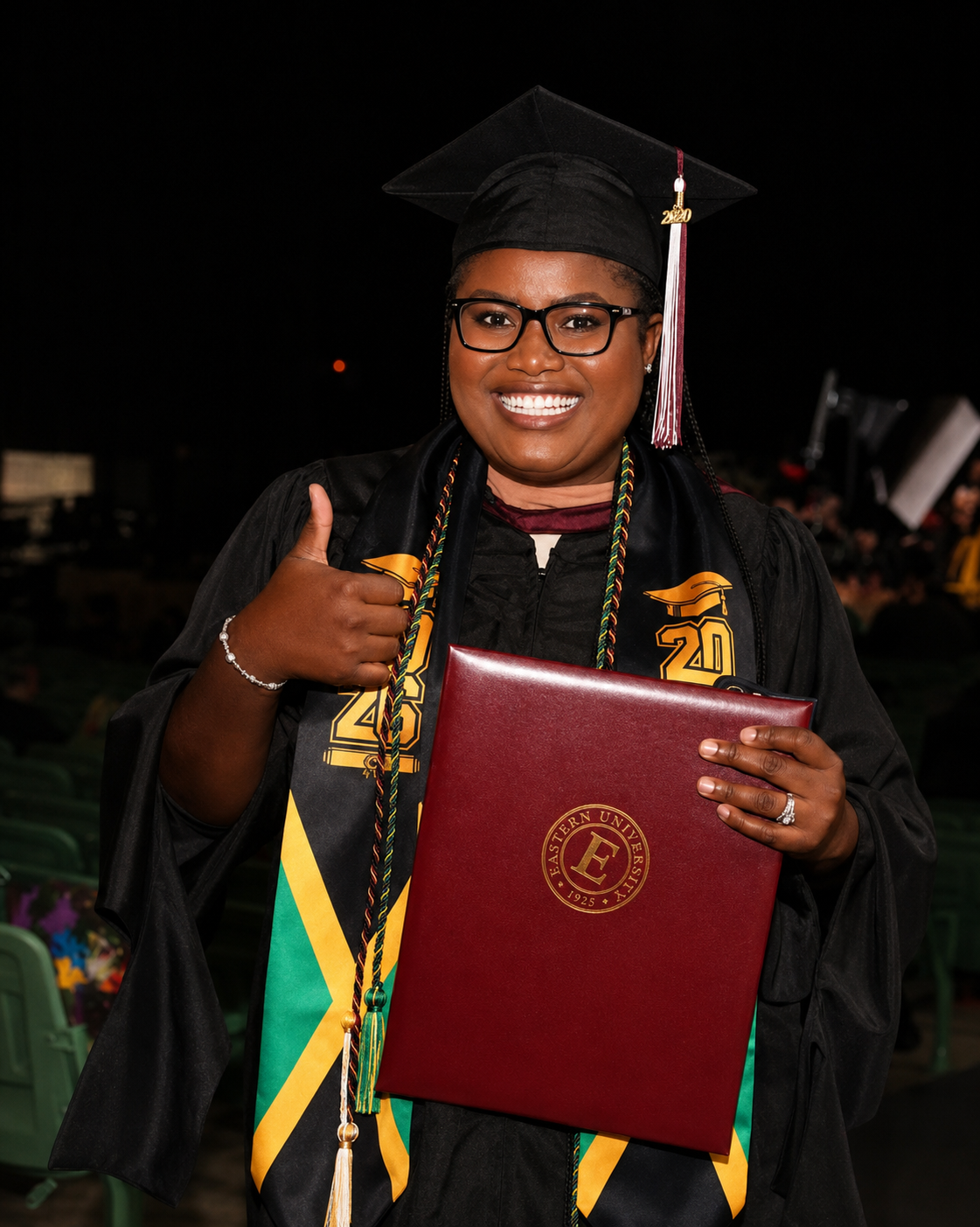 By Keneisha Wiggan
Start with the outcome, not the task. Challenge existing processes before automating them.
Don't Automate a Broken Process: Start With the Outcome
In my experience as a Technical Program Manager, I've had opportunities to improve workflows and identify ways to make processes more efficient.
In today's AI-driven world, it's easy for our minds to jump straight to automation.
“This should be automated with AI.”
“Maybe Copilot could handle this.”
“What if we used AI to do this instead?”
Is that a bad thing? Not necessarily.
I believe innovative thinking is important, especially as AI continues to transform how we work. However, jumping straight to a solution without first challenging the existing process can lead to improvements that don't necessarily deliver the greatest impact.
You might end up automating a process that shouldn't exist in the first place.
That's why one of my core strategies when approaching process improvement is simple: Start with the outcome, not the solution.
What Would Great Look Like?
Before recommending a tool, introducing automation, or redesigning a workflow, I like to ask a few fundamental questions:
- What problem are we actually trying to solve?
- Why isn't the current process working effectively?
- What would a successful outcome look like?
- Are there unnecessary steps or dependencies?
- Does this problem actually require automation, or could a simpler process improvement achieve the same result?
These questions help shift the conversation from “What can AI do?” to “What are we trying to accomplish?”
And that distinction matters.
Understanding the Process Before Improving It
When evaluating a workflow, I generally focus on four key areas:
1. Current Process
How does the workflow operate today? What triggers it, who is involved, what steps are taken, and which tools or systems are used?
2. Pain Points
Where are the inefficiencies? What causes delays, confusion, repetitive work, or unnecessary manual effort? What evidence do we have to support these challenges?
3. Dependencies
What people, systems, approvals, or upstream activities does the workflow rely on? Which dependencies are within our control, and which are not?
4. Desired Outcome
What are we ultimately trying to achieve? How would we define and measure success?
Working through these areas helps establish a clearer understanding of the problem before investing time and resources into solving it.
Sometimes the Best Solution Is Simpler Than You Think
One of the things I've learned is that not every workflow challenge requires a sophisticated AI solution.
In my own experience, I've encountered situations where the best solution was as simple as assigning a repetitive task to Microsoft Copilot Cowork.
Other situations called for using Power Automate to streamline recurring activities and reduce manual effort.
And sometimes, the issue wasn't a lack of automation at all. The underlying process itself needed to be redesigned.
The important lesson?
Different problems require different solutions, and the most advanced technology isn't always the most effective answer.
By taking the time to understand the current process, identify pain points, evaluate dependencies, and define the desired outcome, I've been able to approach solutions more intentionally.
My Biggest Takeaway
AI has created incredible opportunities to rethink how we work. But I believe the greatest value comes not from automating everything we can, but from being intentional about what we choose to improve.
Before asking, “How can we automate this?” I think we should first ask:
“Why are we doing this in the first place, and what would better look like?”
Because sometimes the best solution is AI automation. Sometimes it's a workflow redesign. And sometimes it's simply removing a step that never needed to be there.
Start with the outcome. Challenge the process. Then choose the solution.
Strategy & Operations Manager with an MBA and enterprise SaaS experience. I drive operational excellence, KPI performance, and lean process transformation — turning data into decisions and strategy into measurable execution.
View About page