Building a Notification Center for an Enterprise SaaS Platform
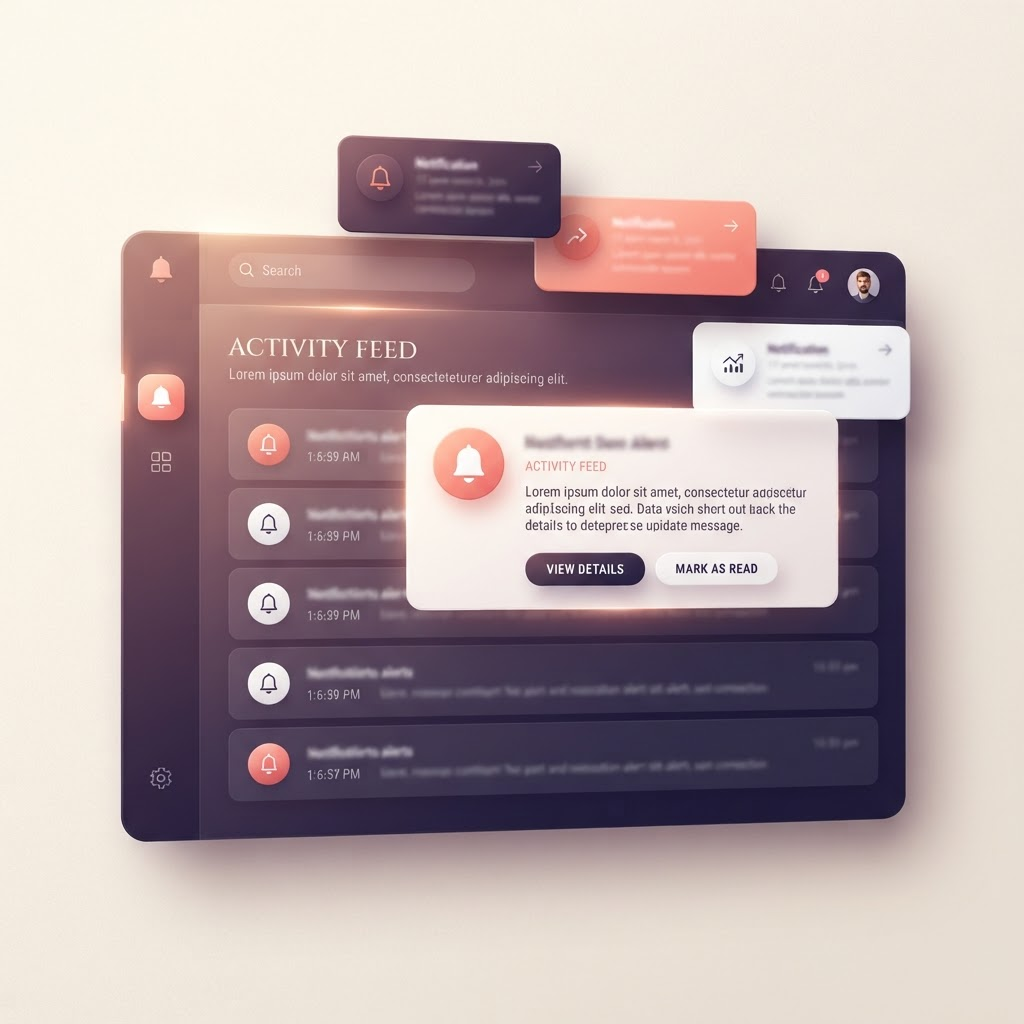
I led product strategy and cross-functional delivery for a centralized notification center that unified fragmented alerts into one trustworthy, actionable experience.
- Role
- Product Strategy Lead
- Organization
- Enterprise SaaS Platform
- Timeline
- Multi-phase, cross-functional
- Type
- Cross-functional platform initiative
- Role
- Product Strategy Lead
- Scope
- Enterprise notification experience
- Partners
- Product, Design, Engineering, Platform
- Timeline
- Multi-phase initiative
- Delivery
- Centralized notification center
- Impact
- 6 → 1 alert channels unified
Fragmented alerts across six surfaces were consolidated into a single, searchable home.
Fewer support issues related to missed platform updates.
Users could identify and act on critical alerts more quickly.
Executive Overview
The platform had grown quickly, and its notifications had grown with it — spread across six different surfaces with inconsistent formatting, no prioritization, and no history. Users missed critical updates and lost trust in the alerts they did receive.
I led product strategy for a centralized notification center: framing the problem, running discovery, shaping the roadmap, and partnering with design and engineering through delivery. The result was a single, prioritized, actionable place for everything a user needed to pay attention to.
The initiative consolidated six alert channels into one, reduced support friction tied to missed updates, and helped users act on what mattered faster.
Business Context
The product served enterprise teams who depended on it for time-sensitive work. As the platform expanded, individual teams shipped their own alerts independently, each in its own style and location.
There was no shared standard for what deserved a notification, how urgent items should surface, or where users should look. The fragmentation created operational drag for users and a steady stream of avoidable support contacts for the business.
The Challenge
There was no single, trustworthy place to understand what needed attention. Notifications lived in six locations with inconsistent formatting, no prioritization, and no way to revisit past items.
Users could not reliably tell the difference between a critical alert and routine noise, so they either missed important updates or stopped trusting notifications altogether. That erosion of trust generated recurring "I never got notified" support tickets.
Objective
Establish one centralized, trustworthy notification experience that reduces noise and helps users find and act on the information that matters most.
Success criteria
- Centralize fragmented notification experiences into a single home
- Improve visibility of critical, time-sensitive alerts
- Make actionable notifications easy to identify and act on
- Establish clearer governance for what earns a notification
- Reduce unnecessary notification noise
Scope & Complexity
- Nature
- Cross-functional initiative
- Teams
- Product, Design, Engineering, Platform
- Platforms
- Multiple notification-producing surfaces
- Channels
- Six fragmented alert sources
- Dependencies
- Alerts owned by separate teams
- Users
- Enterprise teams doing time-sensitive work
- A single notification center spanning previously separate alert sources
- A shared prioritization model so severity is consistent across teams
- Notification history so users can revisit what they saw
- Alignment across the teams that produced alerts independently
My Role & Ownership
I owned
- Product and program strategy for the notification center
- Problem definition and discovery across user roles
- Scope definition and the shared prioritization rubric
- Roadmap, milestones, and sequencing
- Cross-functional alignment across alert-owning teams
- Requirements and acceptance criteria for delivery
- Stakeholder communication and status reporting
- Launch readiness and success measurement
I partnered with
Stakeholders & Cross-Functional Leadership
| Team | Why involved | How I worked with them |
|---|---|---|
| Engineering | Owned the systems that produced and delivered alerts. | Defined requirements and acceptance criteria together and sequenced delivery iteratively. |
| Design | Shaped the unified, prioritized notification experience. | Partnered on discovery findings and reviewed concepts against the prioritization model. |
| Platform / alert-owning teams | Produced notifications independently before the initiative. | Aligned them to a shared severity standard and single home through working sessions. |
| Support / Operations | Fielded 'missed update' contacts and understood real pain points. | Used their signal to prioritize and to validate that friction dropped. |
| Leadership | Sponsored the initiative and cared about trust and adoption. | Kept aligned through concise status updates and decision checkpoints. |
Planning & Governance
I organized the work around a prioritized roadmap tied to the three strategy principles, sequencing a usable core experience first and layering refinement based on feedback. Progress, risks, and dependencies were tracked and shared on a regular cadence so partners stayed aligned and blockers surfaced early.
- Prioritized roadmap with clear milestones and sequencing
- Regular status updates to partners and leadership
- A shared prioritization rubric as the decision forum for 'what is critical'
- Explicit dependency tracking across alert-owning teams
- Launch-readiness checkpoints before rollout
Approach
- 01
Understand the notification landscape
Mapped every existing alert source, its owner, and its format to see the full picture.
- 02
Identify user and platform needs
Interviewed users across roles to learn what they actually needed from notifications.
- 03
Define the centralized experience
Set the strategy principles — one home, prioritized, actionable — and the shared severity model.
- 04
Align teams and dependencies
Brought alert-owning teams to a common standard and single destination.
- 05
Drive execution
Translated strategy into prioritized requirements and worked iteratively with engineering.
- 06
Validate and prepare for delivery
Confirmed the experience against the success criteria and readied it for launch.
Execution
I translated the strategy into a prioritized backlog with clear user stories and acceptance criteria, then worked with engineering iteratively — shipping a usable core early and refining from there.
As delivery progressed, I clarified requirements as questions arose, resolved cross-team dependencies, and kept partners and leadership informed through a steady reporting cadence. Reviews against the success criteria and the prioritization rubric kept scope disciplined and the experience coherent as more alert sources moved into the center.
Risks, Issues & Dependencies
Fragmented ownership of alerts across multiple teams
Established a single home and a shared severity standard, and aligned owners through working sessions.
Alert sources moved onto a consistent, centralized model.
Scope creep — every team wanted their alert marked 'critical'
Introduced a simple prioritization rubric so severity became an objective, shared decision.
Prioritization became a rule rather than a per-team negotiation.
Cross-team dependencies could stall delivery
Tracked dependencies explicitly and sequenced a usable core first.
Delivery kept moving while additional sources were integrated over time.
Key Decisions & Tradeoffs
Consolidate all notifications into a single center rather than improve each surface in place
- Why
- A single trustworthy home was the only way to restore confidence and reduce noise.
- Tradeoff
- Required coordinating independent teams onto shared standards instead of quick local fixes.
- Result
- One consistent, searchable destination for everything needing attention.
Adopt a shared prioritization rubric for severity
- Why
- Users needed to trust that 'critical' actually meant critical.
- Tradeoff
- Teams gave up unilateral control over how their alerts were ranked.
- Result
- Critical items surfaced first and routine noise was collapsed.
Ship a usable core early, then refine
- Why
- Early value and real feedback beat a long, all-at-once build.
- Tradeoff
- Some sources and refinements landed in later phases.
- Result
- The center delivered value sooner and improved with evidence.
Communication & Change Management
Because the initiative changed how independent teams delivered alerts, alignment and communication mattered as much as the build. I kept alert-owning teams, partners, and leadership informed through a regular cadence, made the prioritization standard explicit so expectations were shared, and prepared users for a single new destination for their notifications.
Results & Impact
A centralized notification center unifying six alert channels.
OutcomeUsers had one clear, searchable place to find actionable platform updates.
A shared prioritization model for notification severity.
OutcomeCritical alerts surfaced first and routine noise was reduced.
Notification history and consistent formatting.
OutcomeUsers could trust and revisit what they saw, restoring confidence in alerts.
Lessons Learned
- Notifications are a trust product — the goal is confidence that what users see is what matters, not more messages.
- A simple, shared rubric resolves cross-team disagreements far better than case-by-case negotiation.
- Shipping a usable core early turned opinions into evidence and kept dependencies from stalling delivery.
- In a cross-functional initiative, alignment and communication are as much of the work as the product itself.